Coastal Solitude: The Fishermen and Olives of Andalusia
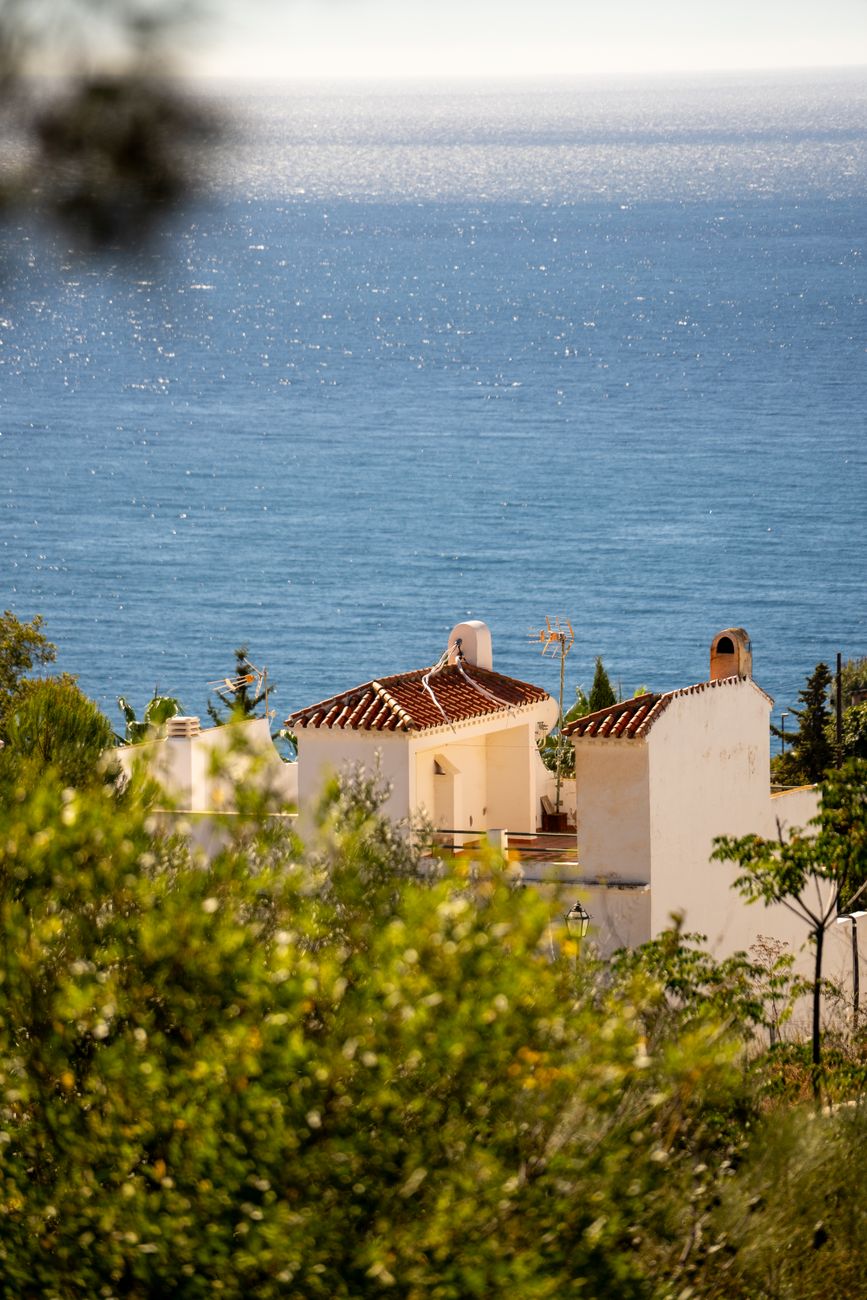
Between the Atlantic rollers crashing onto Cádiz beaches and the limestone cliffs of the Mediterranean coast, Andalusia holds a gastronomic secret born of sea wind and calcified soil.
Far from the crowded resorts of the central Costa del Sol, there exists an older Spain where wooden rowboats still dry upon pebble shores and ancient olive trees twist in sculptural defiance of summer drought. Here, culinary identity is not a fleeting restaurant trend; it is an ancestral contract between the small-boat fisherman and the olive harvester.
The Almadraba Tradition
In coastal towns like Barbate and Zahara de los Atunes, fishermen still employ the Phoenician almadraba method—an intricate labyrinth of offshore nets designed to catch migrating bluefin tuna with extraordinary care. Unlike industrial trawling, this millennium-old practice ensures only mature fish are brought aboard, preserving marine populations while supplying small family curing sheds with the prized mojama (salt-cured tuna loin known as the jamón of the sea).
Terroir of the Mountain Press
"Driving thirty minutes inland into the Sierra de Grazalema, the sea air shifts into the fragrance of crushed wild thyme and moist soil. Here, centenary Picual and Lechín olive varieties yield oils of intense peppery vitality."
The True Luxury of Time
Sitting at a whitewashed seaside tavern as golden hour sets the horizon ablaze, sharing freshly grilled sardines with a splash of estate-pressed virgin olive oil and crusty sourdough loaf, one realizes that true luxury cannot be manufactured in a luxury hotel chain. It lives in generational craft, clean air, and the patient unfolding of an afternoon.
Explore Andalusia's Artisan Terroir
Contact our editorial desk for detailed producer contacts and off-grid driving routes.